How Art Can Help Us Collectively Heal
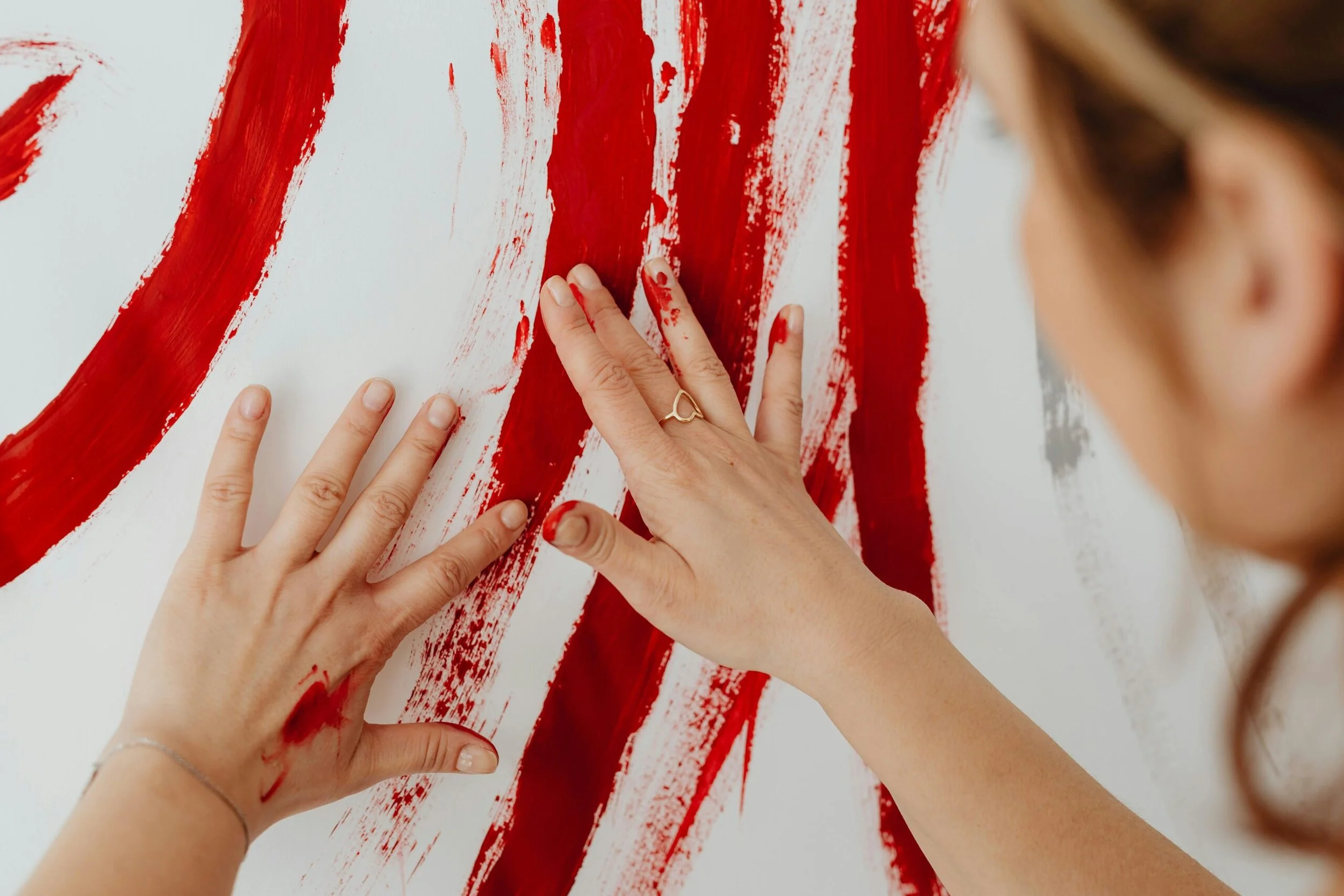
When life becomes too difficult to bear, our nature is to disconnect from ourselves to survive. We might lose touch with ourselves and therefore our ability to express what is happening within us. This is where the power of art can move us in ways that allow us to cipher and feel through what we are navigating internally.
The definition of art according to Oxford dictionary:
the expression or application of human creative skills and imagination, producing works to be appreciated primarily for their beauty or emotional power.
In the age of information and hyperconnectivity, I believe art is often devalued in favour of the quick hits of content. Art comes in many forms. It is the place where truth can be shared in a language that our soul understands. It’s the moments where a song helps us through the loss of a pet, or a movie that illustrates the complexities of family dynamics. Art can help us to connect the dots and get in touch with emotions that we might have unintentionally filed away.
Art serves as a powerful gateway to feeling seen and validated. In cultures that prioritize silence over expressing vulnerability, art becomes the vessel through which we grant ourselves permission to let our humanity breathe. It allows us to feel what we didn’t have space to inhabit before.
Music as Medicine for the Heart
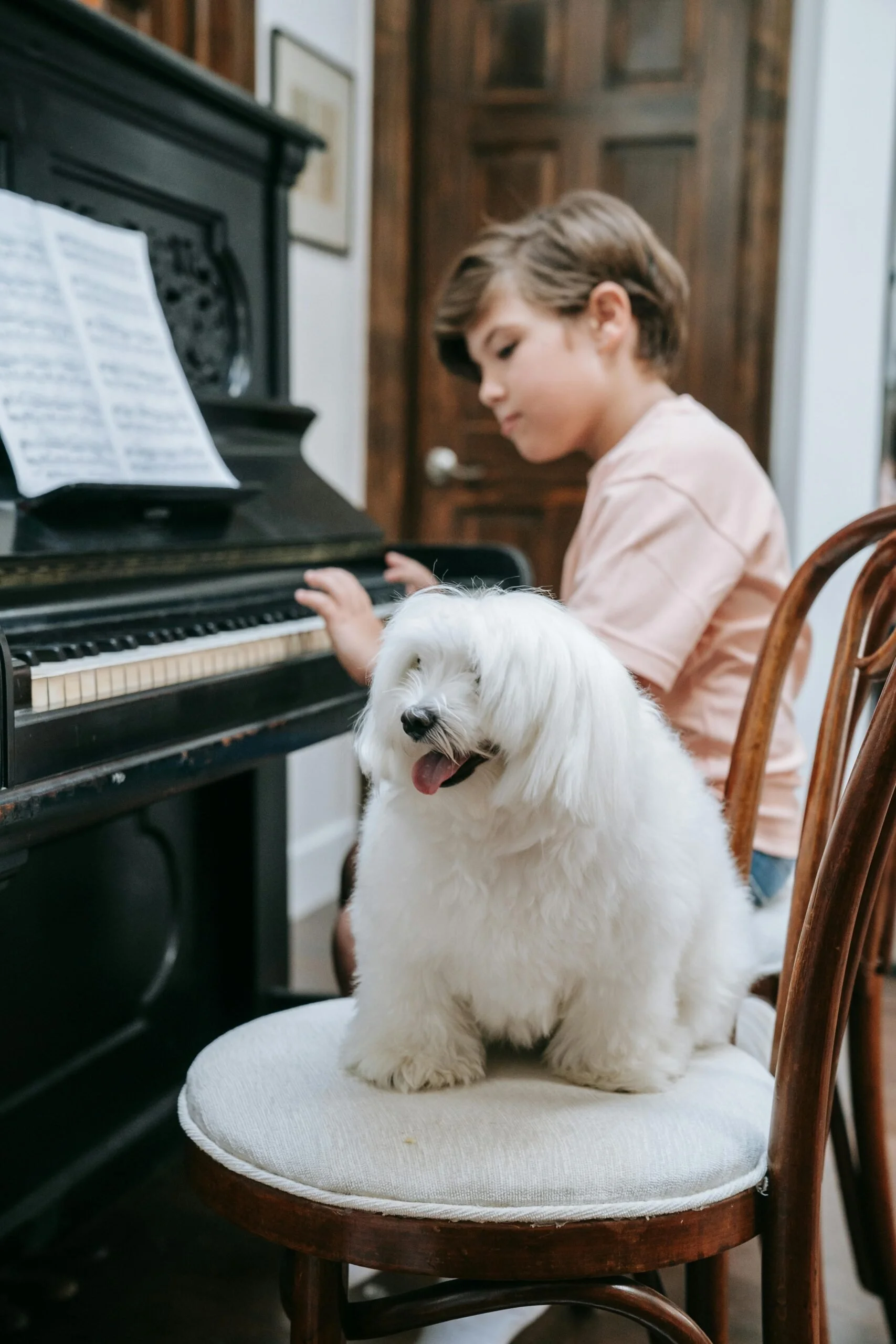
Music has a special way of bypassing everything else and speaking straight to the heart. When you're carrying pain, the right song can feel like someone finally hears you. You don’t have to explain what you’re feeling: the music just gets it.
In many ways, music illuminates what we haven't put into words. It can bridge decades of silence and give voice to pain that’s been inherited generationally. That song you can’t stop listening to? Maybe it’s not just the melody, but what the song symbolizes, that feels cathartic.
Representation: The Power of Seeing Ourselves
Stories have the ability to mirror our own lives back to us. Whether it’s through books, shows, or films, the characters we see on screen or in pages reflect parts of ourselves that we might not have the words to express.
Seeing ourselves in the stories we consume is essential. For many of us from racialized and marginalized communities, lack of representation has been a form of erasure. We grew up without seeing our struggles and triumphs reflected in the media, which can contribute to feeling isolated, invisible, and disconnected. But when we finally do see our stories told authentically, when we see ourselves portrayed as full, complex human beings, it’s a powerful thing.
Those representations remind us that our pain, our joy, and our struggles matter. We see ourselves in the characters, in their emotions, and in their arc. And when they heal, we can begin to imagine that we can heal, too.
I remember an unexplainable feeling after seeing Mulan as a child. Alas, someone who looked like me was on screen! And someone who was struggling with their self worth and wanted to liberate themselves from a world that wanted to confine them.
Stories make our internal struggles explicit and visible. They remind us in metaphorical and literal ways that pain is deeply human and something we don’t need to be ashamed of, and perhaps something we can work through. I believe through stories that resonate, we can find our own voice.
Finding a Safe Outlet to Process
Healing isn’t linear and neither is processing. Our emotions need motion (it’s even in the word itself) and processing allows us to digest and metabolize the energy that emerges as we navigate different life experiences.
Processing comes in many forms and for some, internal processing and reflection is a lifeblood to healing. While talking, a form of external processing is helpful, some of us may need a form of internal processing.
For many, it’s the process of writing or expressive arts, where they can begin make contact with emotions that have been bottled up for years. It’s a way to externalize what’s been buried inside, while imparting some beauty into the world.
Art in its many forms has long been recognized as a way to heal. Whether it’s painting, writing, dance, or psychodrama, expressing ourselves gives us an outlet to process emotions that can feel too complex for words. Research shows that creative activities such as writing, painting, or movement, can activate parts of the brain responsible for healing and reduce trauma symptoms and improve emotional regulation.
It allows us to reshape and release some of the load of carrying it all in. To express. Art can feel safer because it is sacred. Every brushstroke, every word, every movement made, carries meaning. In the act of creating, we begin to reclaim what’s been lost and find pieces of ourselves we didn’t know were there.
Exploring Artistic Expression in Therapy
What resonates with you? What gives you space to feel, to breathe, to let go of pain that’s been carried for far too long?
While art does not replace therapy, it can be a therapeutic tool for emotional healing.
If you're ready to explore how music, stories, and creative expression can support your personal journey, therapy can be a private, confidential container tap into your self expression. You're welcome connect if you’re interested in exploring this in individual sessions.
With warmth,
Rachel